Full zone pressure test
We pressurize each irrigation zone with pressure testing gauges and record the PSI. A zone that loses pressure has a leak. We test every zone so you know the condition of the entire system, not just the one you suspect.
Irrigation System Leak Detection in Chula Vista is how you stop a sprinkler line from quietly draining your water bill. We use acoustic listening devices and pressure testing gauges to pinpoint the break, then repair it the same visit. If your grass is soggy, your meter spins at night, or a zone won't hold pressure, call (619) 943-1896. We serve homeowners across San Diego County with same-day appointments.
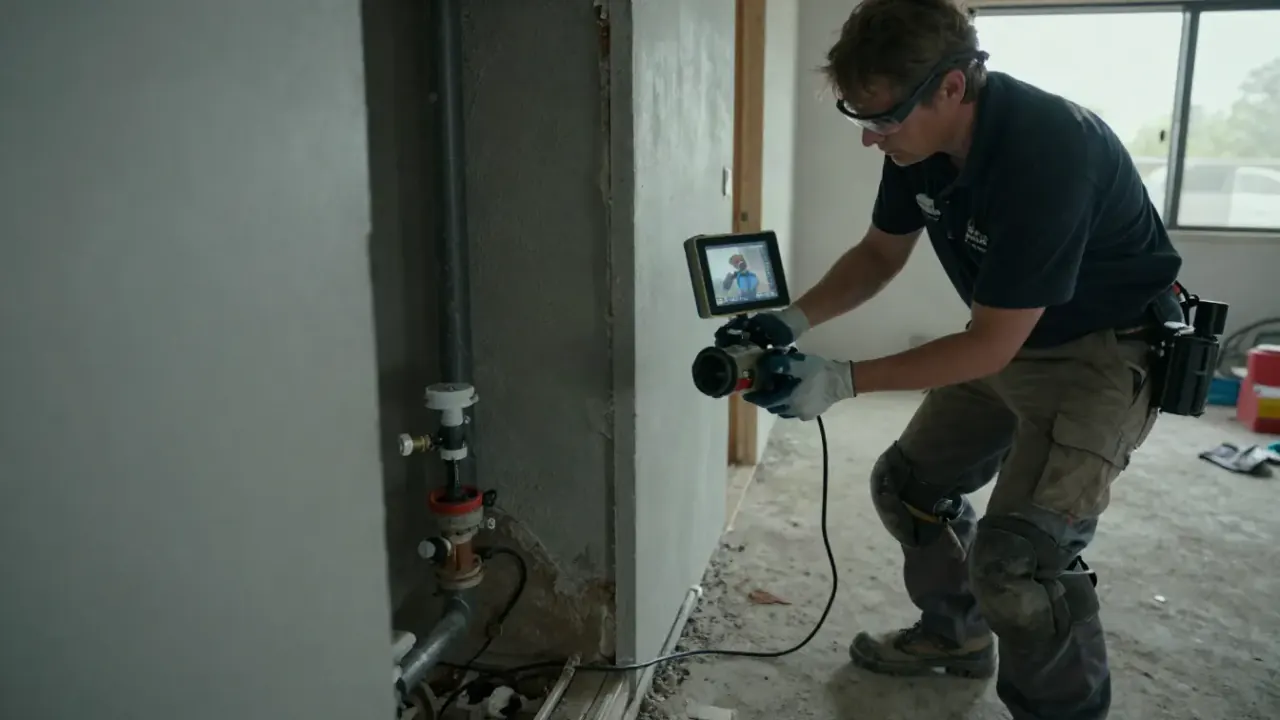
Irrigation System Leak Detection in Chula Vista is the process of finding water loss in your sprinkler and drip lines using acoustic listening devices, pressure testing gauges, and moisture meters. We isolate each zone, pressurize it, and listen for the hiss of escaping water. A pinhole leak in PVC pipe or a cracked riser can waste hundreds of gallons a week. We locate the exact break, mark the spot, and repair it with pipe repair clamps, epoxy resin, or new PEX tubing.
Chula Vista's clay-heavy soil and hot, dry summers push irrigation systems hard from May through October. Lines shift, fittings crack, and root intrusion from ficus and eucalyptus trees pinches PVC pipe underground. Homeowners in Otay Ranch and Eastlake often see a spike in water bills before they see a wet spot. That is why our irrigation leak detection service Chula Vista uses thermal imaging cameras to scan for temperature differences in the soil. If you are searching for irrigation system leak detection near me, we cover every ZIP from 91911 to 91915.
Every irrigation leak detection visit starts with a full zone-by-zone pressure test and ends with a repaired, retested system. Here is what is covered in a standard appointment. If we find additional issues, we quote them before doing any extra work.
We pressurize each irrigation zone with pressure testing gauges and record the PSI. A zone that loses pressure has a leak. We test every zone so you know the condition of the entire system, not just the one you suspect.
We walk the leaking zone with acoustic listening devices and a FLIR thermal imaging camera. The microphone picks up the sound of escaping water; the camera shows cooler soil where water is pooling. We mark the exact leak location with flags.
We check every sprinkler head, valve, and backflow preventer in the zone for cracks, worn gaskets, and O-rings. Many leaks are at these connection points and can be fixed without digging. We replace worn parts on the spot.
We cut out the damaged PVC pipe or PEX tubing and install a new section with pipe repair clamps and RectorSeal pipe sealant. For copper pipe, we solder a new coupling. We match the pipe material and size to your existing system.
After the repair, we repressurize the zone and hold it for 10 minutes. If the pressure holds steady, the leak is fixed. We show you the gauge reading so you have proof the repair worked before we leave.
We check your irrigation controller settings and adjust the run times if needed. Then we walk the yard with you, show you the repaired area, and answer any questions. You get a written summary of the work performed.
Call (619) 943-1896 and describe what you see: a spinning meter, a soggy patch, a zone that won't hold pressure. We ask a few questions to narrow down whether it is a mainline break, a lateral line, or a valve issue. Most calls are scheduled the same day.
We shut off the main, pressurize each zone with pressure testing gauges, and watch for pressure drop. A zone that loses pressure has a leak. We record the starting and ending PSI so you see the numbers. This step takes 20 to 30 minutes for a typical six-zone system.
We walk the zone with acoustic listening devices and a FLIR infrared camera. The microphone picks up the hiss of water escaping under pressure; the thermal camera shows cooler soil where water is pooling. We mark the exact spot with flags so you can see where we will dig.
We dig a small access hole, cut out the damaged section of PVC pipe or PEX tubing, and install a new coupling with pipe repair clamps and RectorSeal pipe sealant. If the leak is at a sprinkler head or valve, we replace the gaskets and O-rings. Most repairs take one to two hours.
We repressurize the zone and hold it for 10 minutes to confirm the repair. Then we walk the yard with you, show you the repaired section, and reset your controller if needed. You get a written summary of what we found and fixed before we pack up.
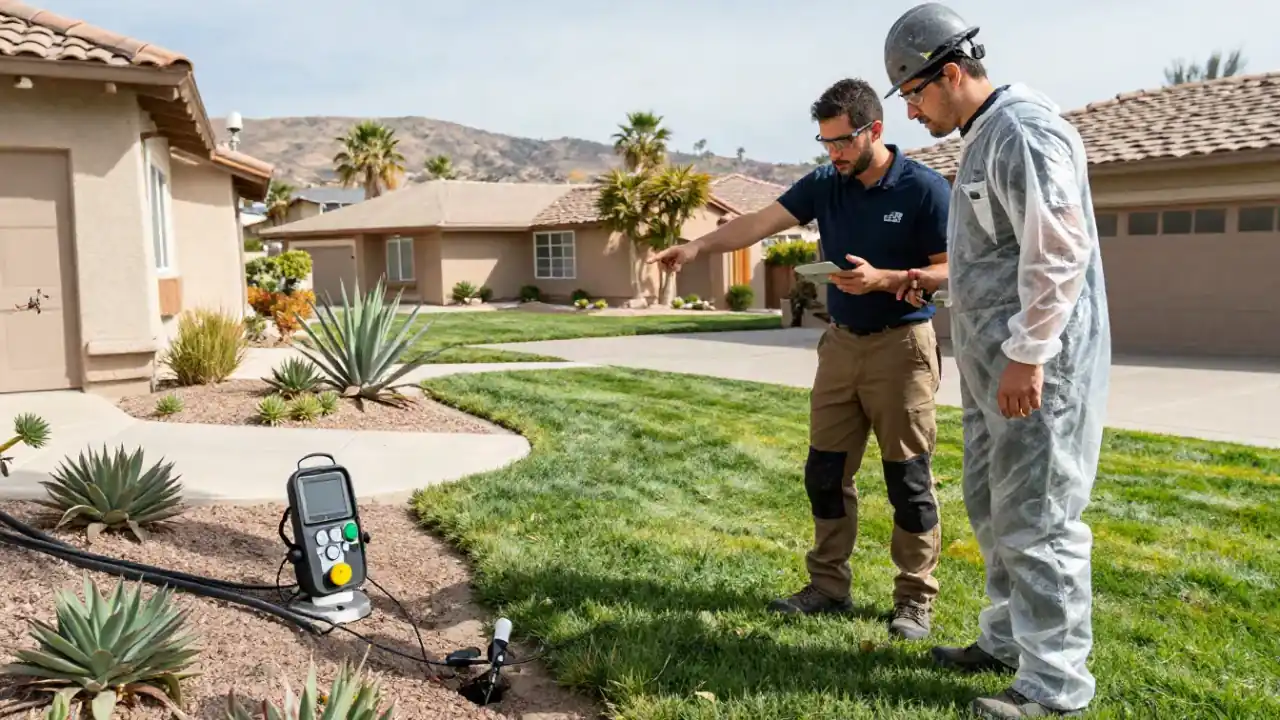
Call (619) 943-1896 and describe what you see: a spinning meter, a soggy patch, a zone that won't hold pressure. We ask a few questions to narrow down whether it is a mainline break, a lateral line, or a valve issue. Most calls are scheduled the same day.
We use Sewerin and Gutermann microphones to hear water escaping from a pressurized irrigation line. The sound gets louder as we get closer to the leak, letting us pinpoint the break within a few inches.
FLIR infrared cameras show temperature differences in soil where water is pooling underground. We scan the yard to find leaks that do not show any surface wetness, especially in clay soil.
We connect pressure testing gauges to each irrigation zone and record the PSI. A zone that loses pressure has a leak. This is the first step in every job and gives us a baseline for the repair.
We use moisture meters to measure water content in soil and building materials. They help us map how far water has traveled from the leak and whether it is approaching your foundation.
We run a video camera through irrigation mainlines to look for root intrusion, cracked PVC pipe, and collapsed sections. The camera shows us exactly what is blocking or leaking in the line.
Pipe locators let us trace the path of underground irrigation lines without digging. We use them to mark the line route before excavation and to avoid hitting gas or sewer lines.
A homeowner in Otay Ranch saw a $210 water bill spike but no visible wet spot. The lawn looked fine. The irrigation system ran on schedule. A zone pressure test showed zone 3 losing 15 PSI over 10 minutes.
After: We used acoustic listening devices to pinpoint a cracked PVC lateral line 8 inches underground. We repaired it with a new coupling and pipe repair clamps. The zone held pressure at 45 PSI after the repair. The next water bill dropped by $190.
Book this service →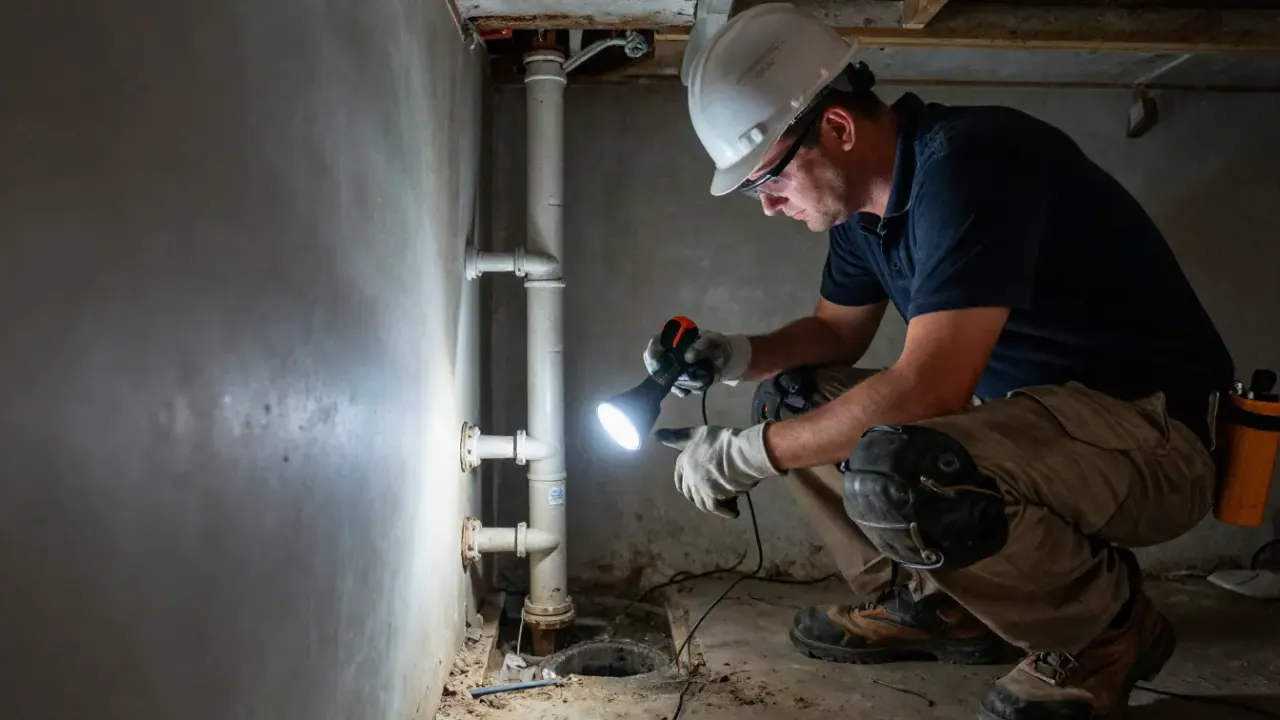
A property manager in Eastlake called about a swampy area near the sidewalk that never dried. The water meter spun even with all irrigation zones off. The mainline was losing 2 gallons per minute.
After: We shut off the main, excavated a 2-foot access hole, and found a cracked PVC mainline fitting. We replaced the section with new pipe and RectorSeal pipe sealant. The system held 60 PSI for 15 minutes after the repair. The swamp dried up in three days.
Book this service →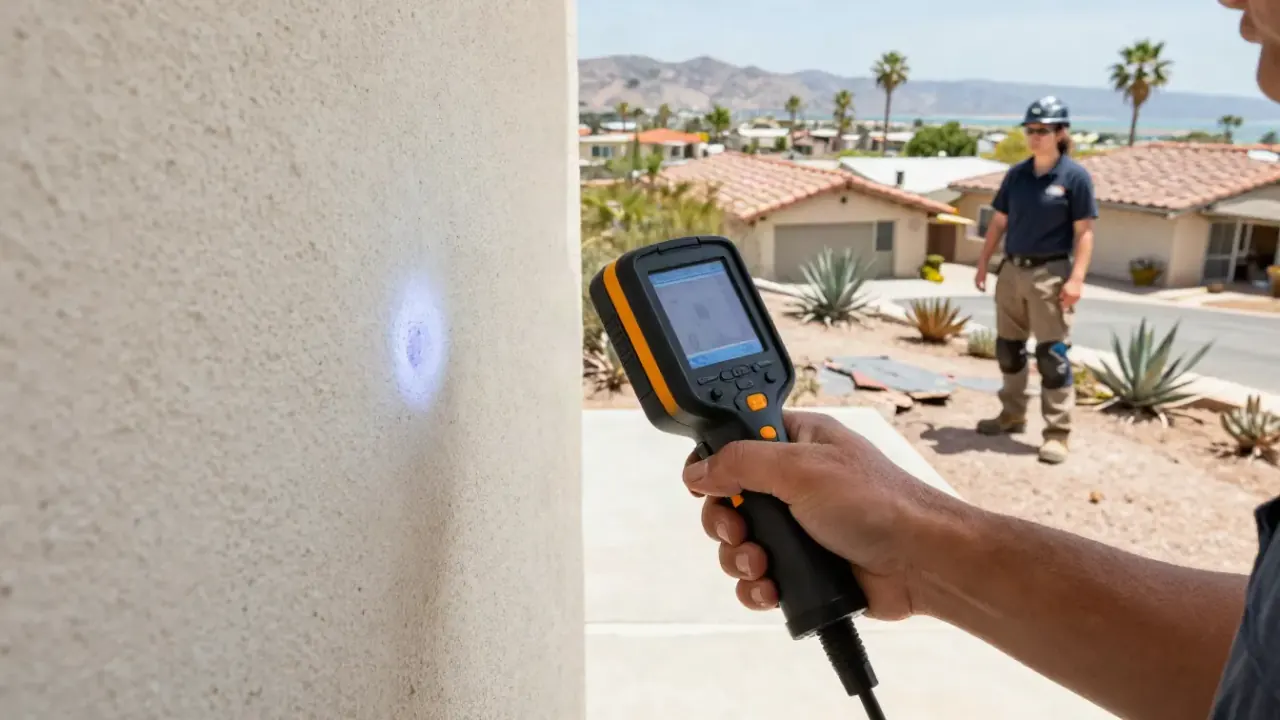
A homeowner near Third Avenue Village had a soggy patch in the yard and a water bill that climbed $120 over two months. The irrigation system used older copper pipe. A visual inspection found no surface leaks.
After: We used acoustic listening devices and a thermal imaging camera to locate a pinhole leak in the copper irrigation line. We cut out the damaged section and soldered a new copper coupling. The zone held pressure at 40 PSI. The water bill returned to normal the next month.
Book this service →Most irrigation leaks in Chula Vista fall into a few categories: cracked pipe from soil movement, root intrusion, worn valves, and broken sprinkler heads. We find them all and fix them the same day.
Ask a pro →We pressure test each zone to find the one losing pressure, then use acoustic listening devices and thermal imaging to pinpoint the break. Most hidden leaks are found within 30 minutes and repaired the same visit.
We use moisture meters and infrared cameras to map the water path and find the source. Then we repair the leaking pipe or valve and restore proper drainage. We also check for root intrusion that may have caused the break.
We isolate the zone with pressure testing gauges and test the valve, solenoid, and wiring. If the valve is bad, we replace the diaphragm and O-rings. If the line is broken, we locate it with acoustic devices and repair the PVC pipe or PEX tubing.
We replace the broken head, check the riser for cracks, and flush the line to remove debris. We also check the zone pressure to make sure no other heads are damaged. Most head replacements take 15 to 20 minutes.
Most irrigation leak detection jobs in Chula Vista run $180 to $450 for the diagnostic and pinpointing, and $250 to $850 total when you include the repair. The price depends on how many zones we test, how deep the line is buried, and whether the leak is in a mainline or a lateral. We quote the repair before we dig.
The best service is the one that shows you proof before it digs. We use acoustic listening devices, pressure testing gauges, and FLIR thermal imaging cameras to pinpoint the leak and mark it. You see the pressure drop and the thermal image. Then we repair it with pipe repair clamps and RectorSeal pipe sealant and retest the zone.
The most common causes in Chula Vista are cracked PVC pipe from soil movement, root intrusion from ficus and eucalyptus trees, and worn gaskets or O-rings at valves and sprinkler heads. Clay soil expands and contracts with the seasons, which stresses fittings. A pressure test and acoustic scan will tell you exactly which one it is.
Shut off every zone at the controller, then watch your water meter. If the dial still moves, you have a mainline leak. If it stops, run one zone at a time and check the meter again. The zone that moves the meter has the leak. If you want it pinpointed without digging, call (619) 943-1896 for a professional scan.
We are a licensed, insured, and bonded local crew with same-day appointments and 24/7 emergency dispatch. Call (619) 943-1896 and we will find your irrigation leak, show you the evidence, and fix it before we leave.
Call Now (619) 943-1896 →Reach us at (619) 943-1896 any time, day or night. Our emergency line is staffed 24/7, and regular appointments run Monday through Friday from 8 a.m. to 6 p.m. If you leave a message after hours, we call back within 15 minutes. We serve all of Chula Vista and the surrounding San Diego County area.